The African Energy Challenge
Africa stands at a critical juncture. Despite its vast resources, over 600 million people live without access to reliable electricity, a figure projected to remain stubbornly high by 2030 if current trends persist. This energy poverty stifles economic growth, limits educational opportunities, and impacts healthcare.
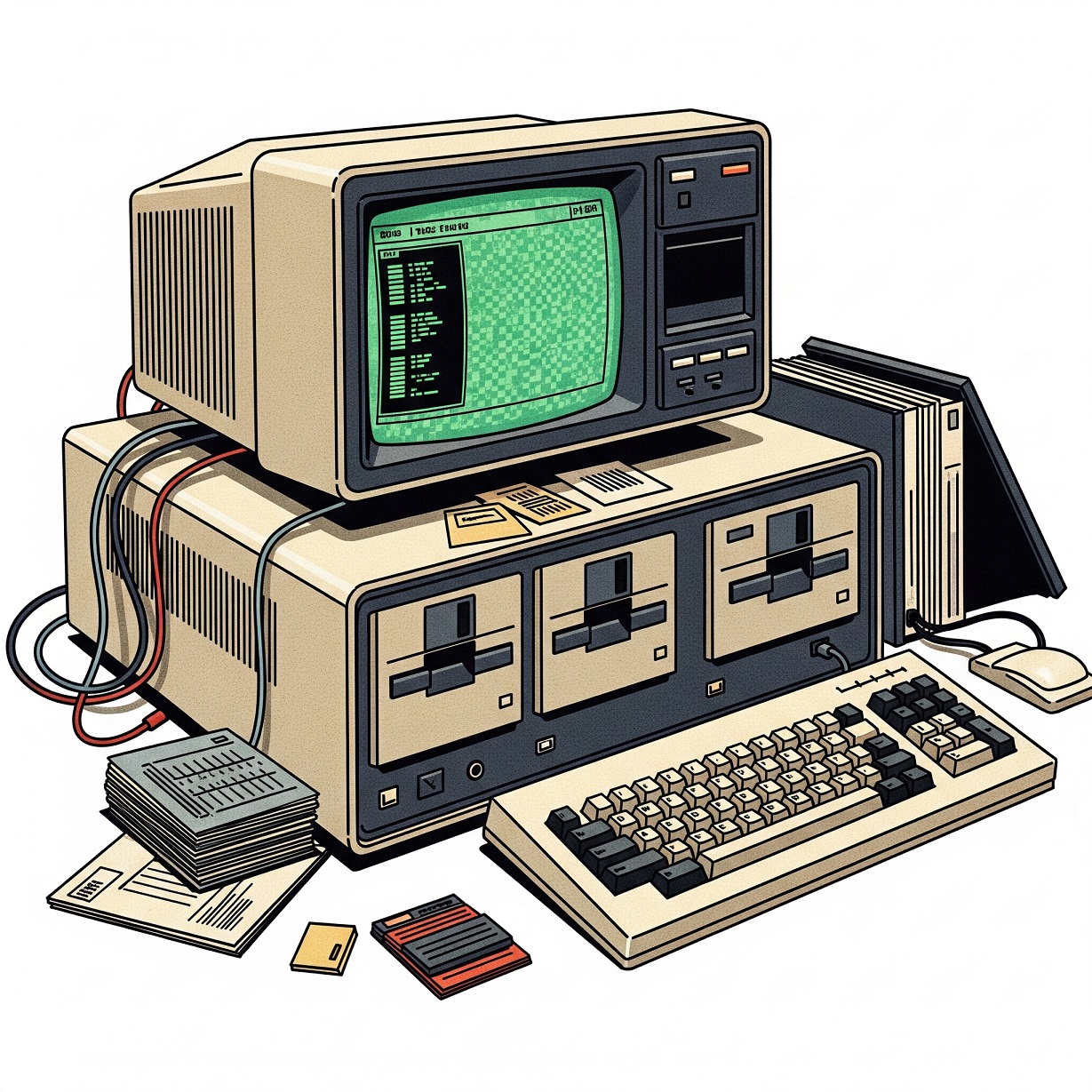
A significant contributor to this crisis is the prevalence of "Zombie Energy Systems." These are characterized by:
- Outdated and inefficient grid infrastructure.
- High transmission and distribution (T&D) losses, both technical (due to aging equipment) and non-technical (e.g., theft, billing issues).
- Over-reliance on often poorly maintained second-hand equipment.
- Chronic lack of maintenance due to economic constraints and insufficient local expertise.
- Political hurdles and unfavourable regulatory environments.
- Persistent fossil fuel subsidies that distort the market against renewables, even when it is believed to have been removed.
The impact is severe: drained resources, profound inefficiency, and a system that appears to actively undermines new clean energy investments. This perpetuates a cycle of energy poverty and hinders the continent's progress towards sustainable development.
The Renewable Opportunity
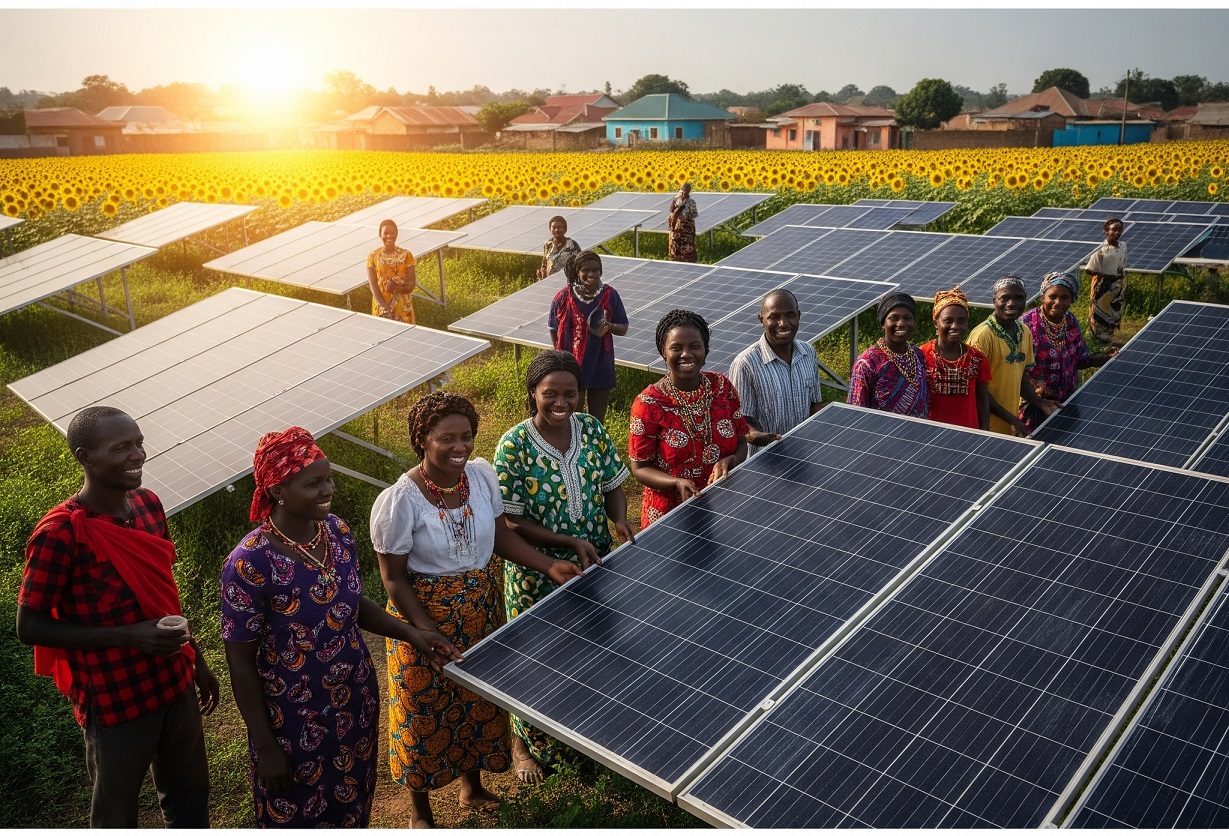
Africa possesses an immense and largely untapped potential in renewable energy sources, particularly solar, wind, and hydropower. This presents a transformative opportunity to leapfrog outdated energy models and build a resilient, sustainable energy future.
Market projections underscore this potential:
- The Middle East & Africa (MEA) Renewable Energy Market is expected to grow from approximately $25.50 billion in 2025 to around $54.49 billion by 2034.
- South Africa's renewable market is experiencing rapid growth, driven by supportive policies and increasing demand.
- The Global Renewable Energy Management Systems Market is projected to witness a remarkable Compound Annual Growth Rate (CAGR) of 25.5% from 2023 to 2030.
Across the continent, nations are increasingly embracing renewable energy. From large-scale solar farms in Egypt and Morocco to innovative off-grid solutions in Kenya and Nigeria, the momentum is building. This shift is not just about generating electricity; it's about empowering communities, creating jobs, and fostering economic independence.
Our Solution: The energyAI Platform
energyAI is conceived as the "central nervous system" for modern, IoT-enabled renewable energy systems. It's an open-source, AI-driven software platform designed to communicate with, manage, and optimize diverse renewable assets, including solar farms, wind turbines, battery storage systems, and microgrids.
Crucially, energyAI is not a generic solution. It is meticulously optimized for African conditions, taking into account unique climate patterns (like dust storms and specific irradiance levels), infrastructural realities (including integration with existing 'Zombie Energy Systems'), and the urgent need to build local capacity. By providing intelligent, actionable insights and automated control, energyAI aims to:
- Enhance the reliability and efficiency of renewable energy projects.
- Reduce operational costs and extend asset lifespan.
- Facilitate the seamless integration of distributed energy resources.
- Empower local communities and businesses with access to stable and affordable power.
- Foster a vibrant ecosystem of innovation through its open-source nature.
We believe that by combining the power of AI and IoT with a commitment to open-source principles, energyAI can play a pivotal role in unlocking Africa's renewable potential and powering a more resilient, equitable, and prosperous future for the continent.